
Designing Clarity
for Regulated Systems
Public healthcare, infrastructure,
and non-public environments
Designing translation layers for large-scale, regulated infrastructures where misunderstanding creates risk.
What this work is about
I design communication and explanation layers for complex, regulated systems — particularly where misunderstanding creates operational, legal, or safety risk.
This work focuses on clarity, accuracy, and systemic coherence rather than interface novelty.
↓

My work makes large-scale, multi-actor systems understandable to:
citizens and patients
institutions and service providers
executive and ministerial decision-makers
without exposing internal complexity or destabilizing trust.
Much of this work happens before interfaces reach users — at the level where clarity prevents failure.
Context: public and regulated environments
I worked on national healthcare and e-health systems where:
platforms served millions of users
legal and medical accuracy was mandatory
errors could not be corrected post-release
internal system logic was not public-facing
In these environments, clarity is not a UX enhancement — it is a safety requirement.

My role: system narrative & information coherence
domain experts and multiple departments
technical system behavior and policy constraints
executive and ministerial decision-makers
I WORKED BETWEEN:
MY RESPONSIBILITY WAS TO:
extract signal from fragmented, expert-level input
remove institutional jargon and internal noise
align communication with real system behavior
translate complexity into coherent narratives suitable for citizens and decision-makers
This work was not branding or promotional communication.
It was about preventing misunderstanding before it reached the public.
I designed:
public-facing explanations of system behavior
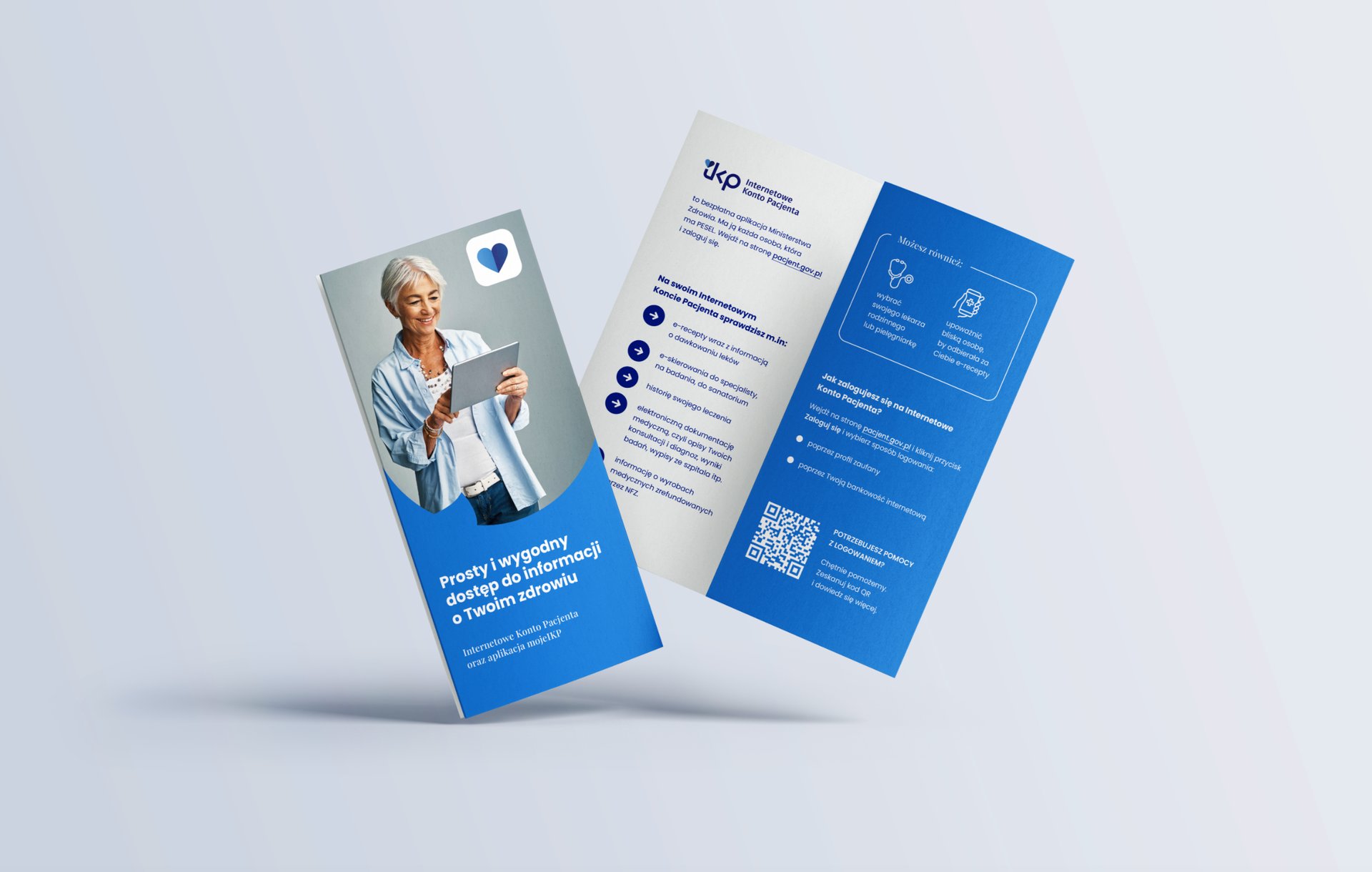
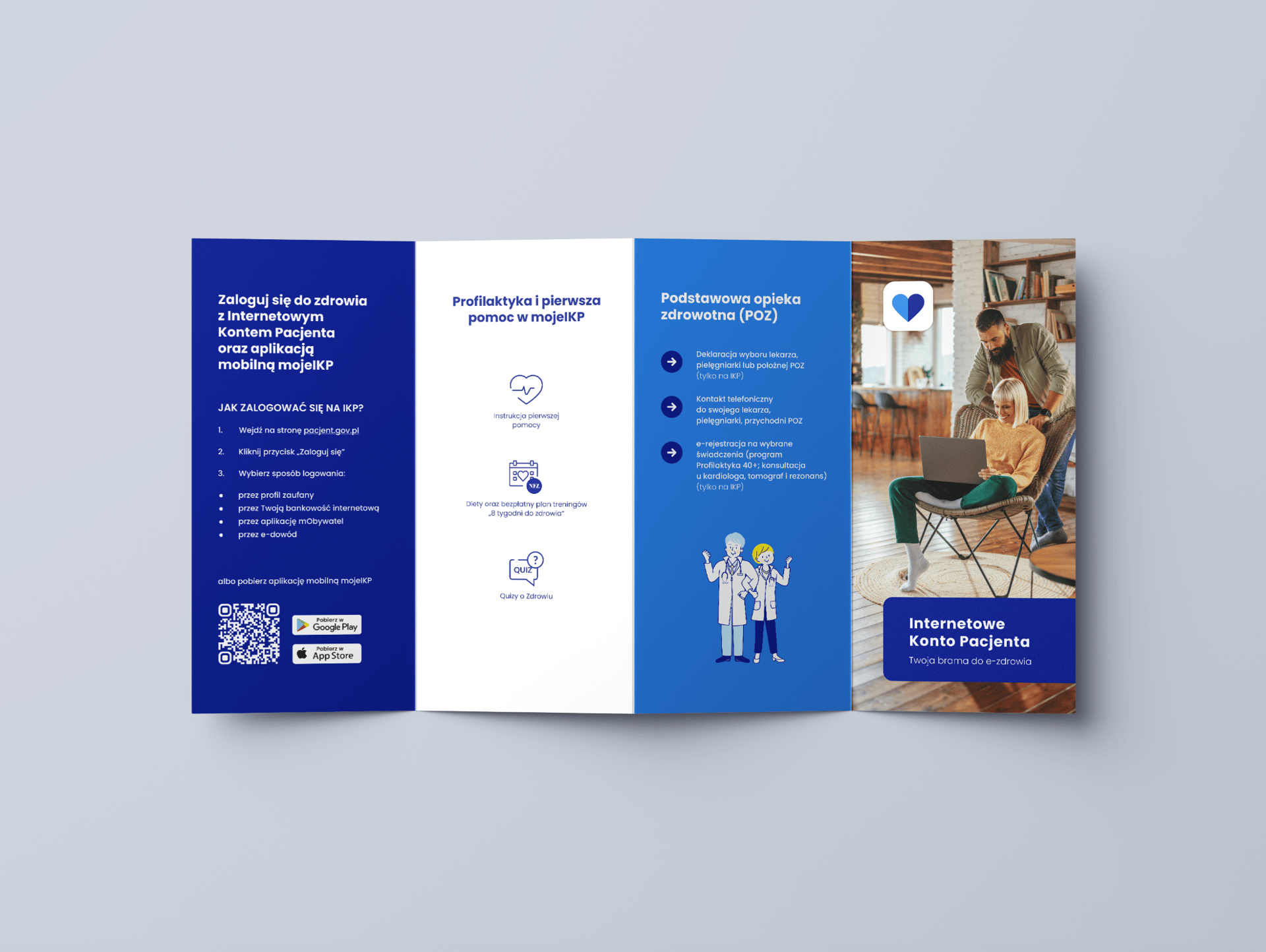
instructional and informational materials for citizens and patients
presentation layers for executive and ministerial contexts
narrative coherence across departments and stakeholders
In many cases, success was measured by what did not happen:
• no public confusion
• no reputational crisis
• no system misinterpretation
What I designed

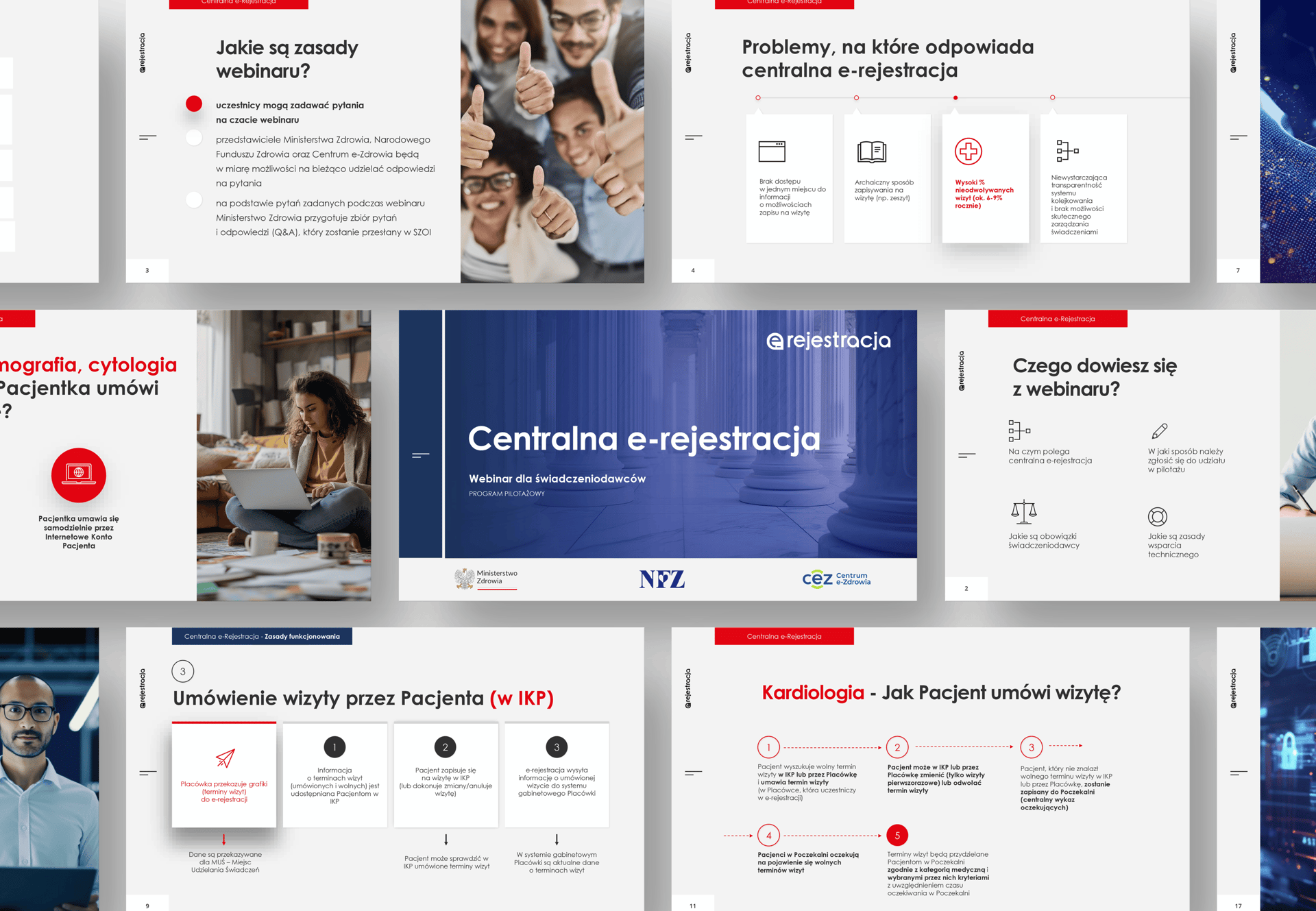
Public reference: Central e-Registration (Healthcare)
As part of the national Central e-Registration (Centralna e-Rejestracja) initiative, the Ministry of Health published a public webinar presentation outlining the system’s scope, pilot model, and participation rules for healthcare providers.
As is common in large public-sector ecosystems, subsequent editorial modifications and technical exports may differ from the original structural and semantic design intent.
Official publication (Ministry of Health):
https://www.gov.pl/web/zdrowie/prezentacja-z-webinaru-ws-centralnej-e-rejestracji
Official reference (Ministry of Health — Poland)
In 2024, the Ministry of Health’s e-Health Department issued a written reference confirming my contribution to the Central e-Registration pilot rollout.
The reference covers:
webinar presentations for healthcare providers
patient-facing informational materials (leaflets, posters)
visual and narrative support for public communication
The original document is in Polish (official language of issue). Personal contact details have been redacted for privacy.
Why this work matters
Complex systems do not fail because of bad screens.
They fail because people misunderstand how they work.
My focus is on designing coherence, not decoration — so systems remain usable, trustworthy, and stable over time.
I specialize in systems where calm, clarity, and trust matter more than novelty.
Designing systems that remain usable under real human constraints.