
Service Design
Understanding how people, organisations, processes and systems work together to deliver a service.
I use different diagram artifacts to answer different questions about services and user experiences.
What does the user experience look like?
How is the service delivered?
What elements and dependencies influence the service?
How does the service operate behind the scenes?
How does the service develop over time?
Who enables adoption and where do hidden barriers emerge?
If you want to know...
Look at...
Journey Maps
Service Blueprints
Ecosystem Maps
As-Is / To-Be Models
Roadmaps & Service Evolution
Stakeholder & Adoption Analysis
Journey Maps
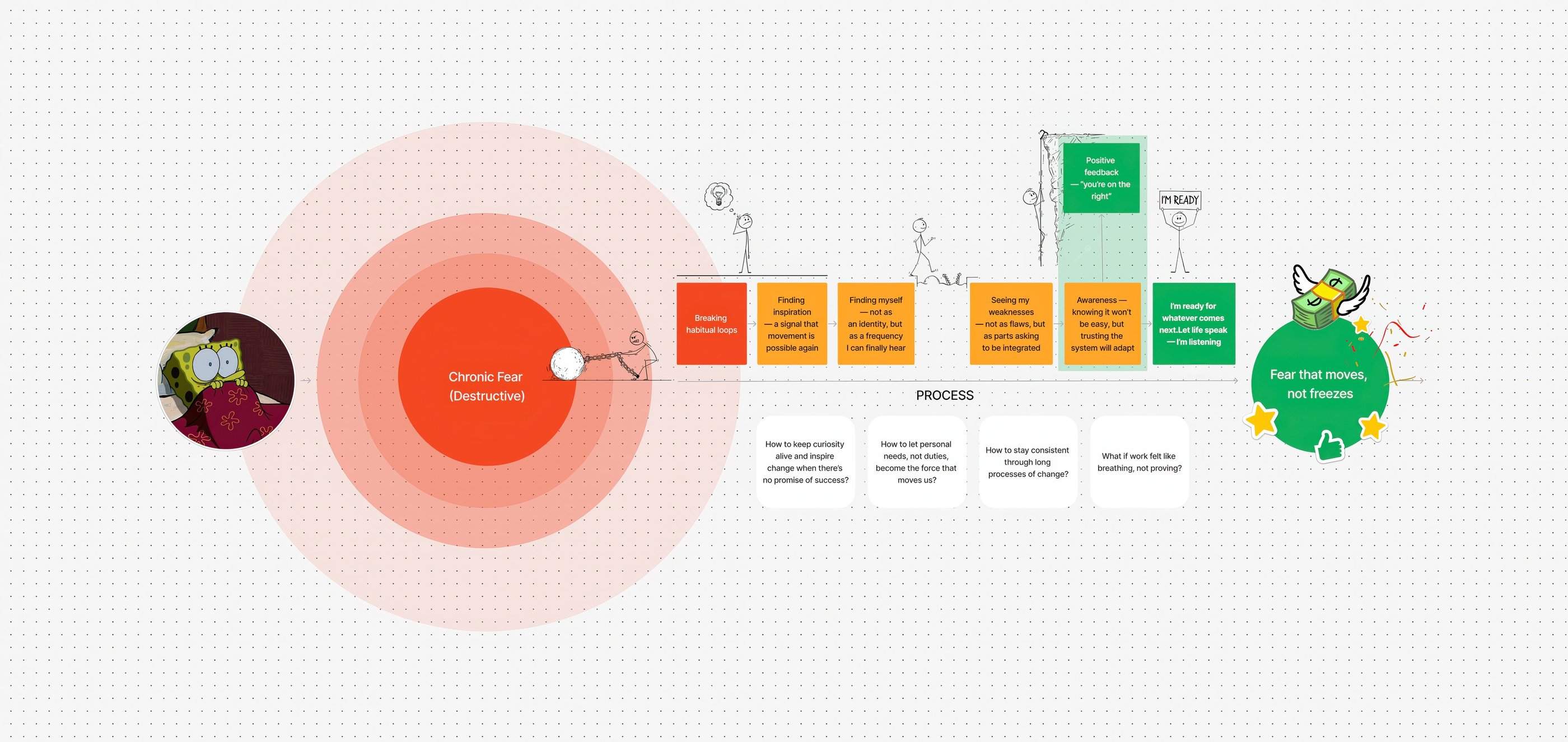
Understanding user goals, actions, pain points and experiences across a service.




Service Blueprints
Service blueprints show how user actions connect with processes, systems and supporting activities behind the service.
They help explain not only what the user sees, but also what must happen in the background for the service to work.
-------
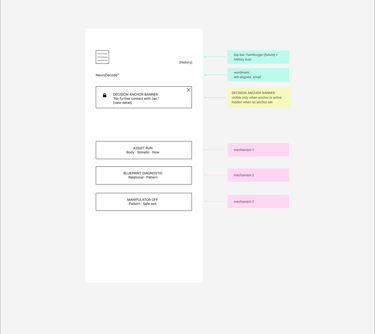
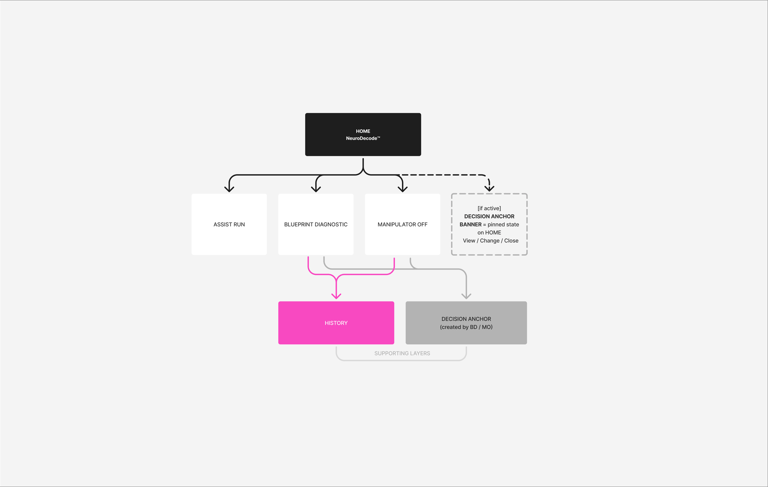
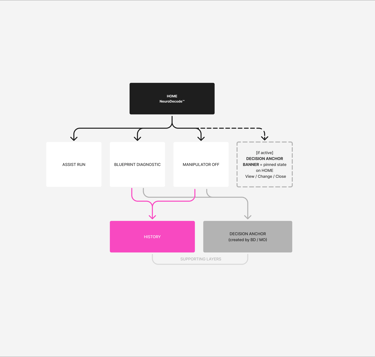
Overview of the main modules and their relationship within the service.


Assist Run | Supports the user during overload and guides them toward an immediate stabilising action.


Blueprint Diagnostic | Identifies the current pattern and routes the user to the appropriate diagnostic path.


Manipulator OFF | Helps evaluate manipulation patterns and structure a safe response.
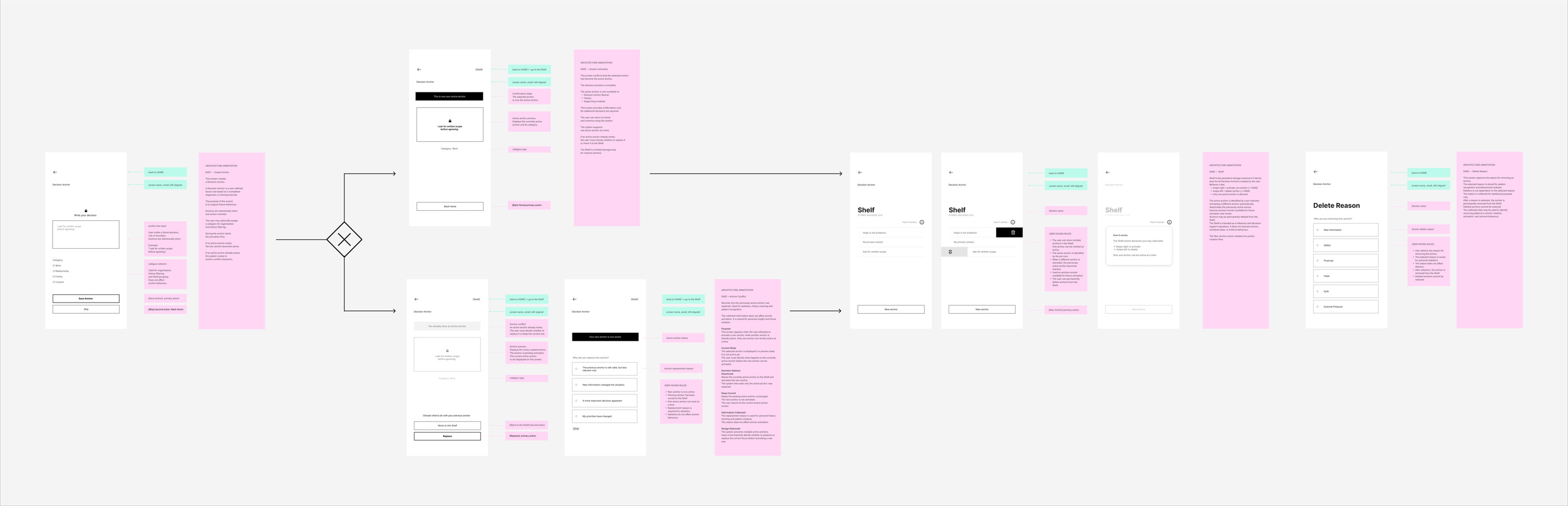
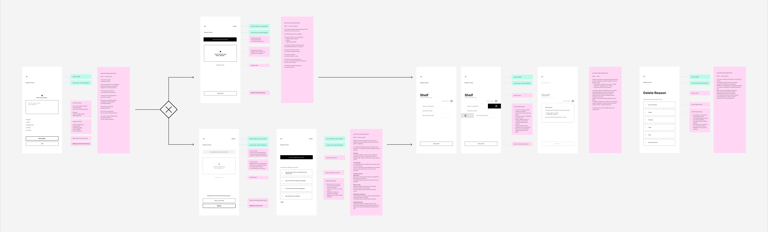
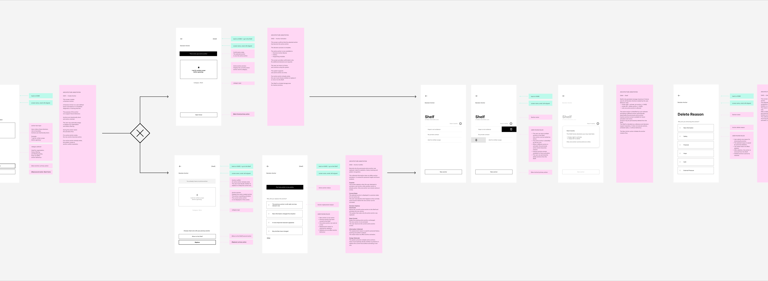
Decision Anchor | Preserves a decision so it remains available when emotional state changes.
History Records | Records interactions and shows how patterns, decisions and relationships evolve over time.
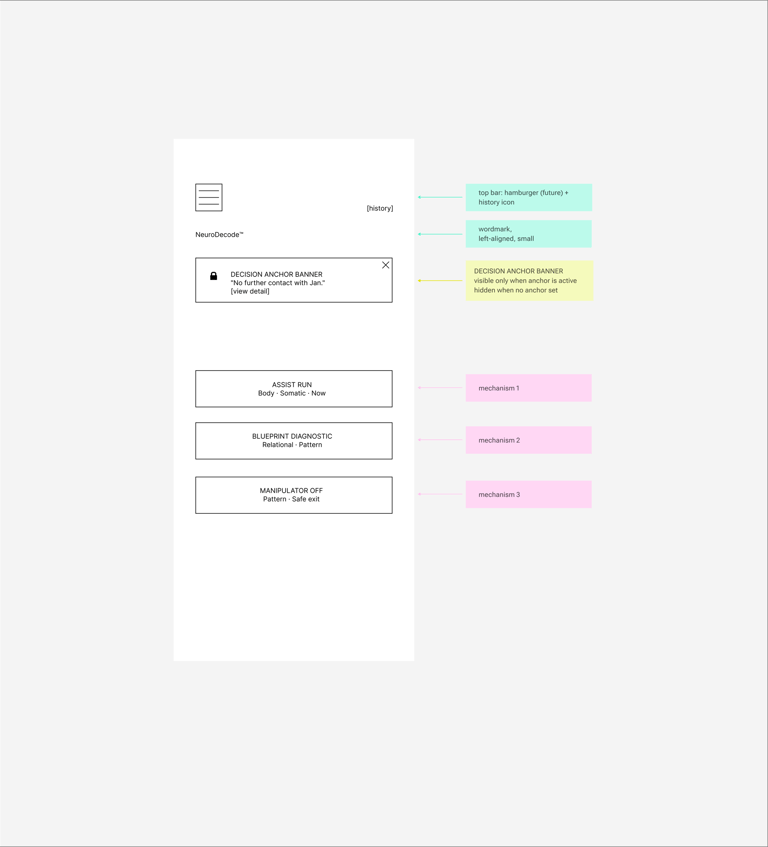
Architecture +Home
Ecosystem Maps
Understanding how organisations, systems, channels and services interact.
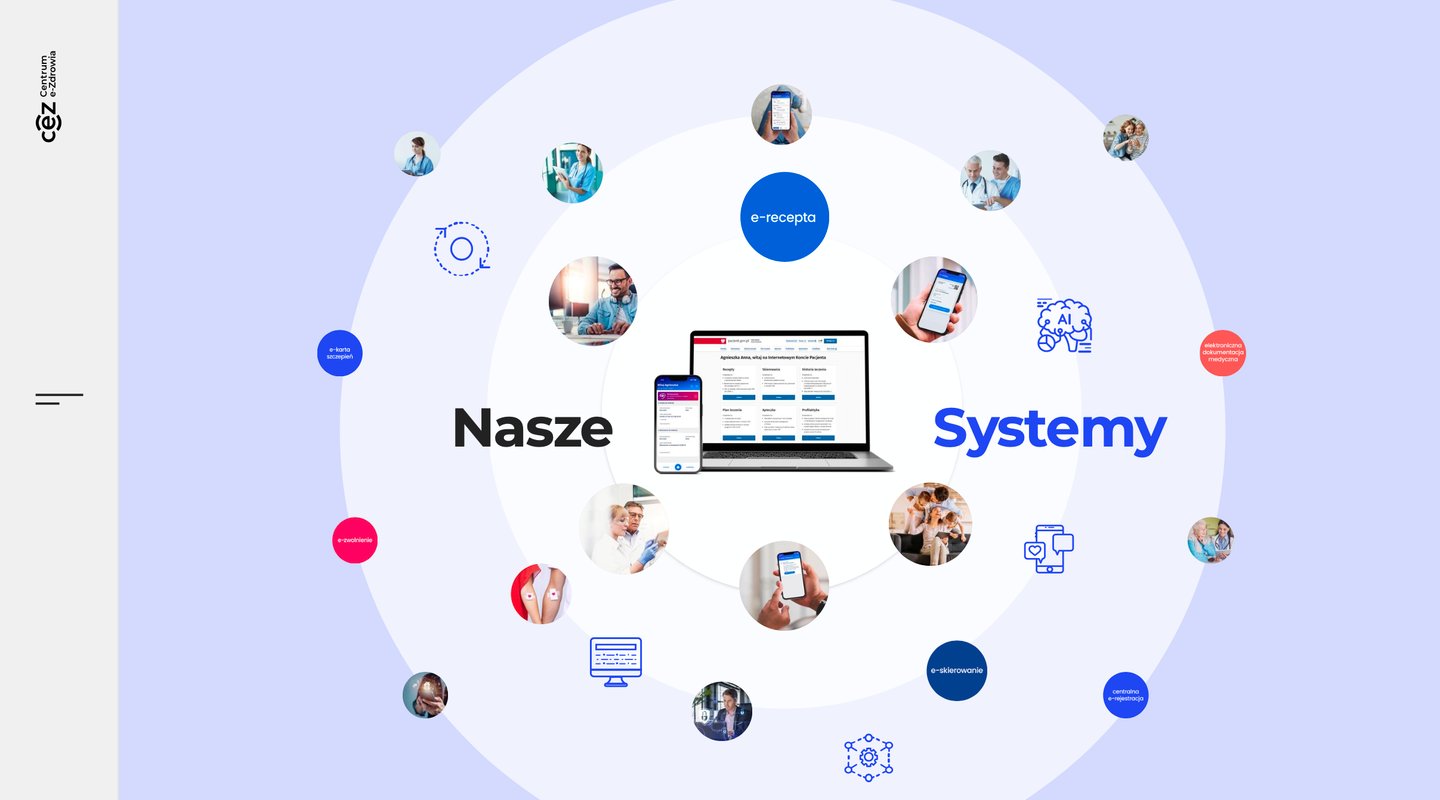
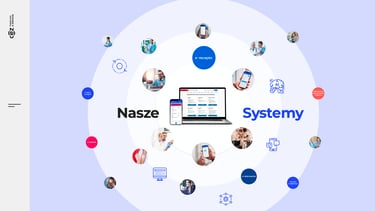
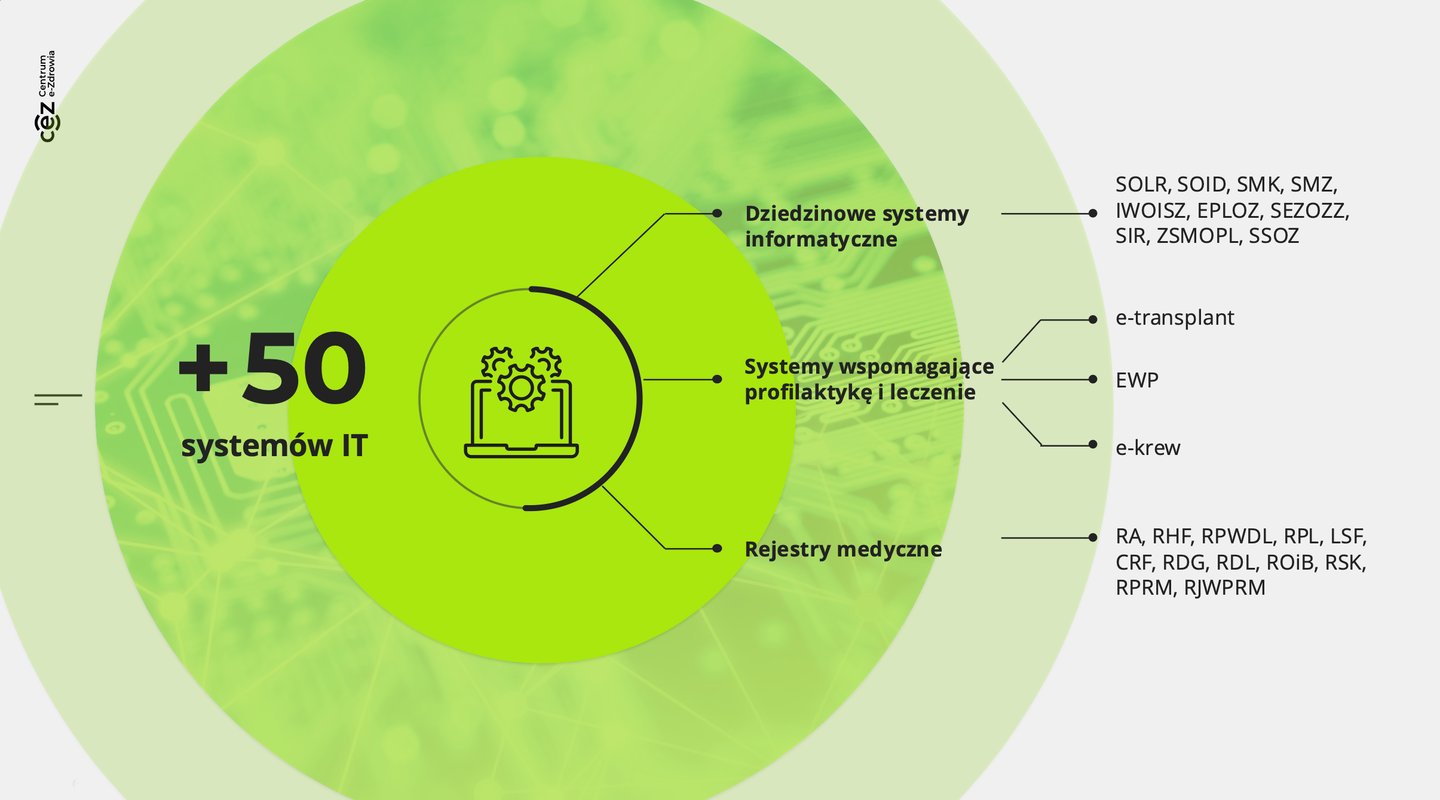
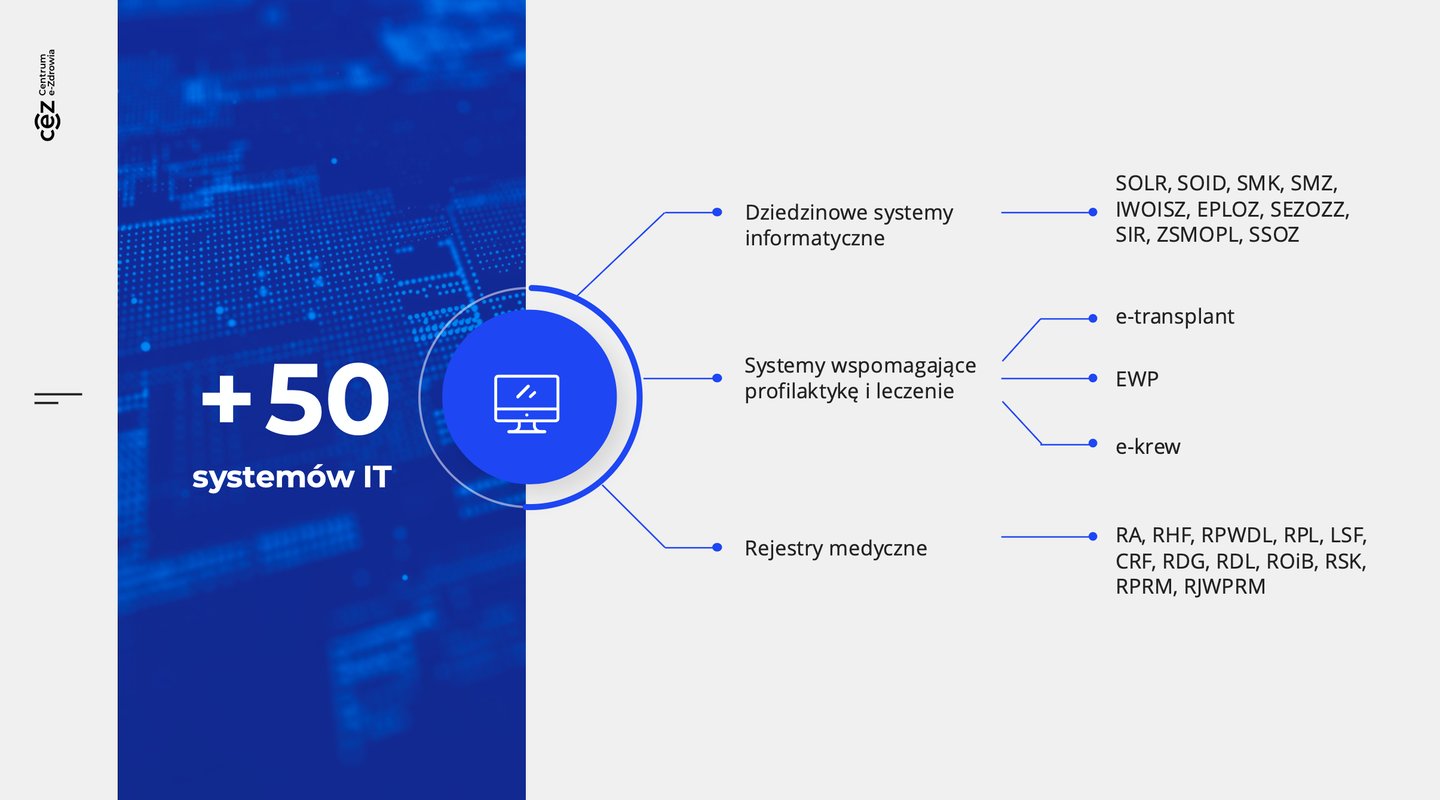
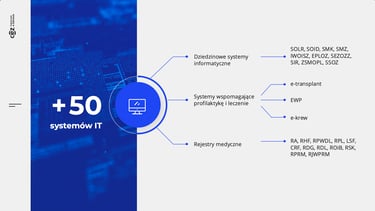
Ecosystem maps created for Poland’s Centre for e-Health (CeZ) to visualise relationships between healthcare stakeholders, digital services and over 50 interconnected medical information systems. The diagrams were used to communicate system complexity and support understanding of the broader digital health environment.
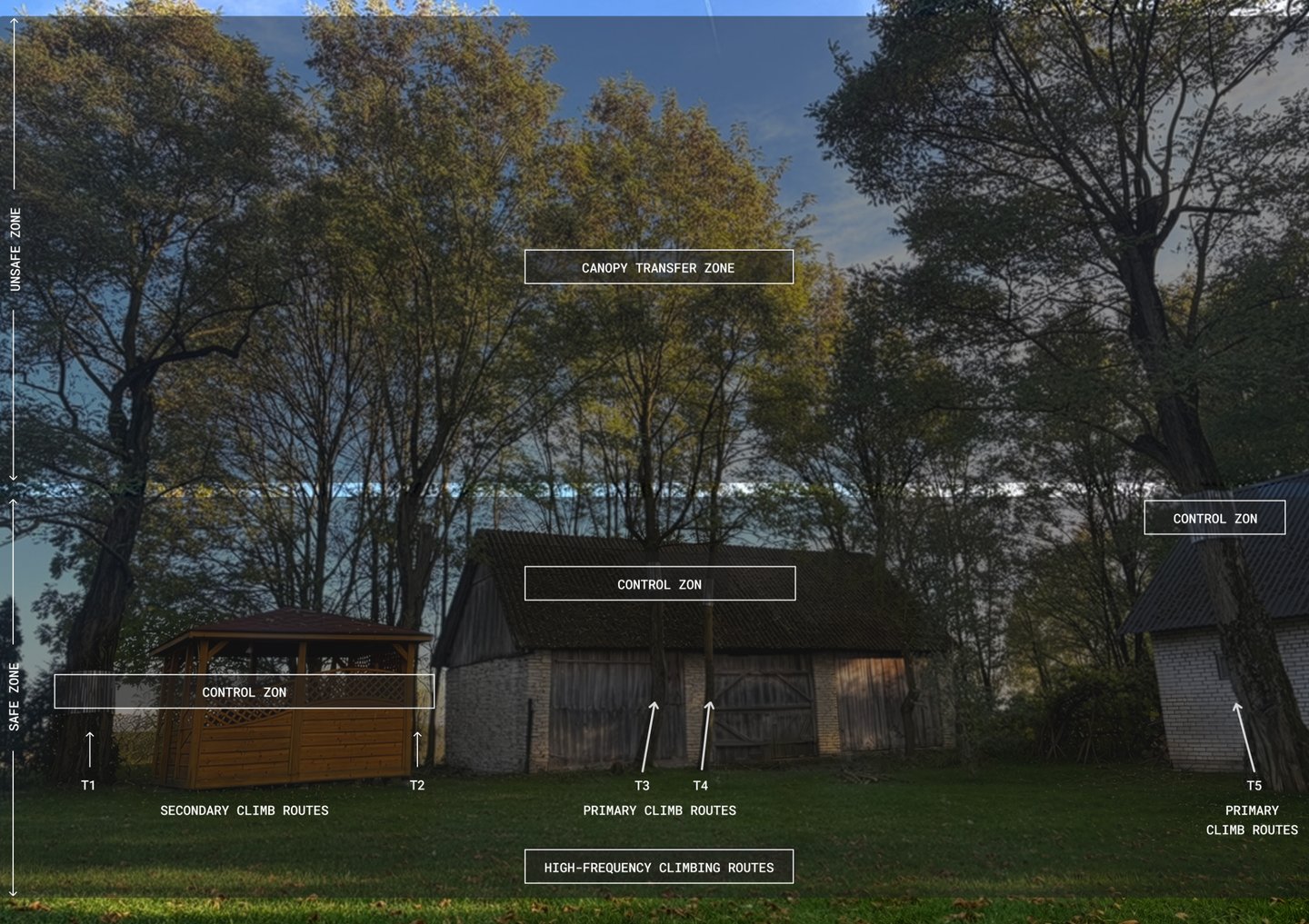
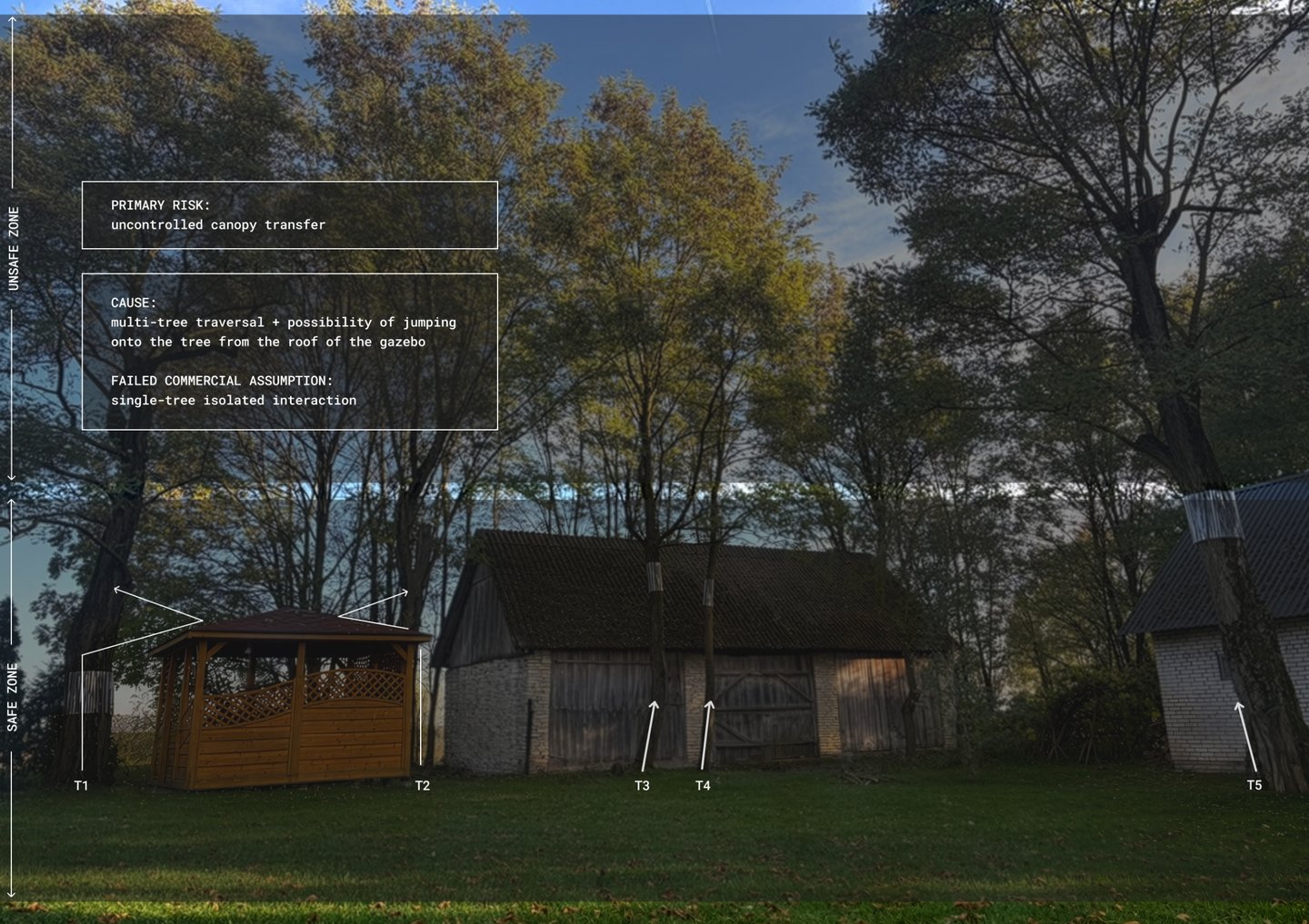
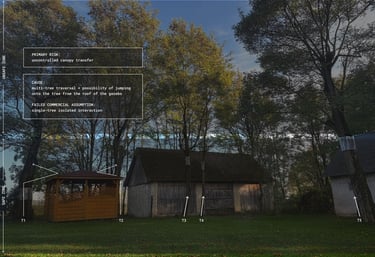
ABS – Environmental Behaviour Analysis | This study maps behavioural movement patterns within an outdoor environment used by a highly active cat.
The analysis identified primary climbing routes, transfer zones and previously overlooked interactions between multiple trees and surrounding structures. By examining actual movement trajectories rather than assumed behaviour, the study revealed a critical risk area caused by uncontrolled canopy transfer.
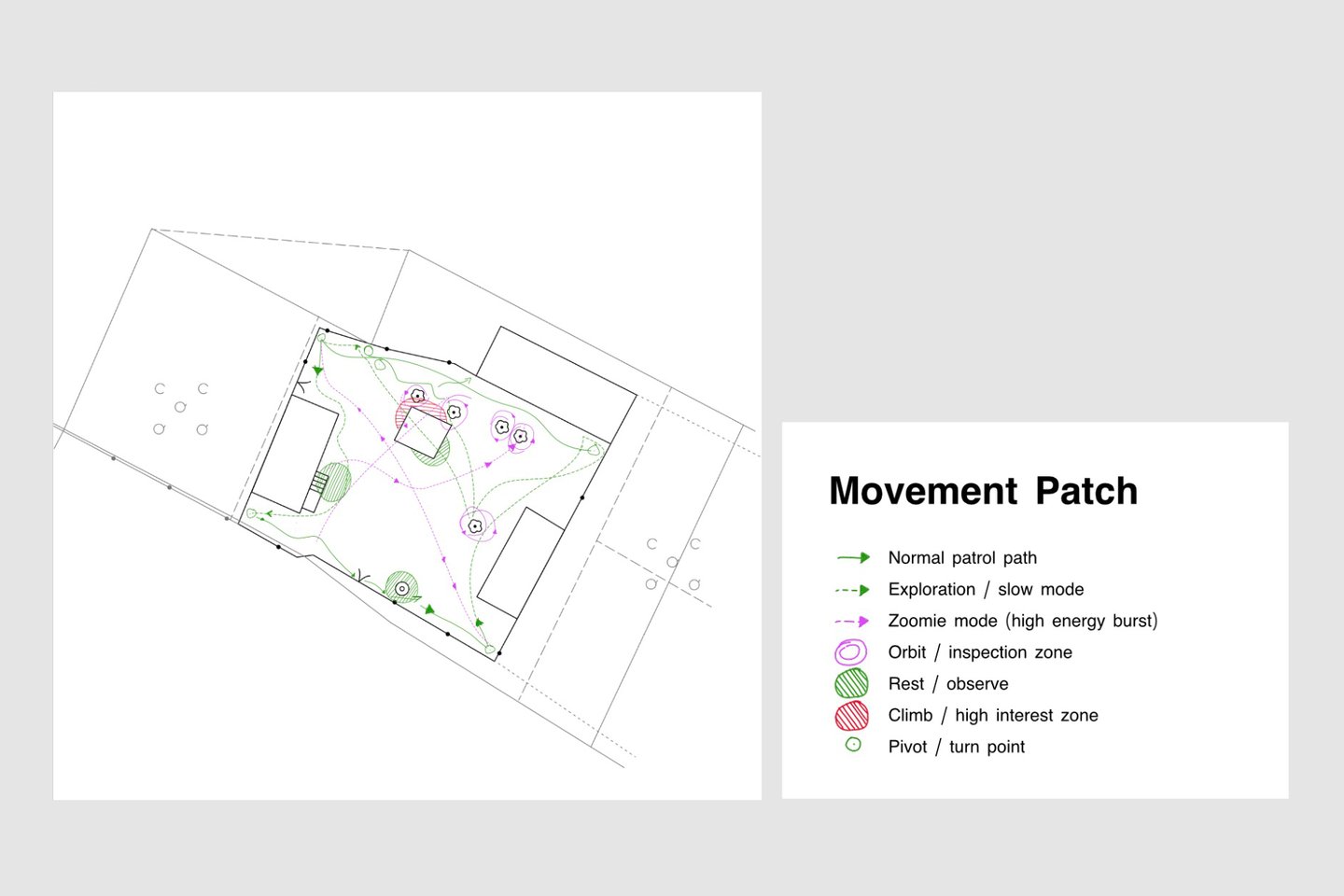
The resulting Movement Patch translated these observations into an environmental intervention designed to preserve natural exploration while reducing fall risk and improving overall system safety.
As-Is / To-Be Models
Understanding user goals, actions, pain points and experiences across a service.
Work in progess
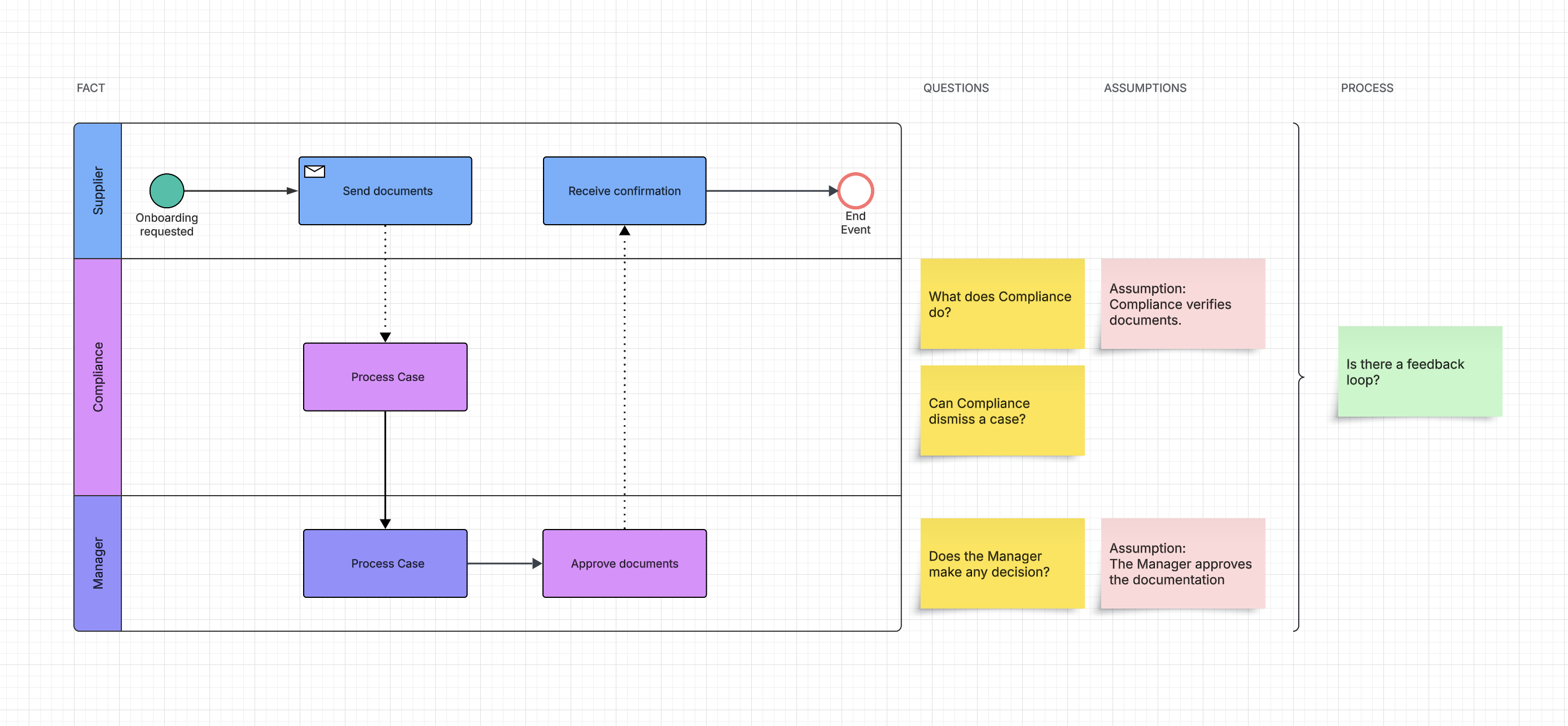
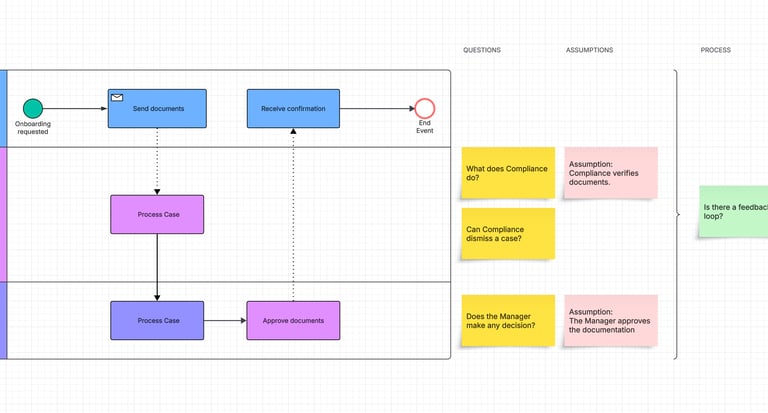
Third-Party Onboarding Discovery
The company believes supplier onboarding is too slow but cannot explain why.
Supplier
↓
Submit documents
↓
Compliance
↓
Manager
↓
Approval
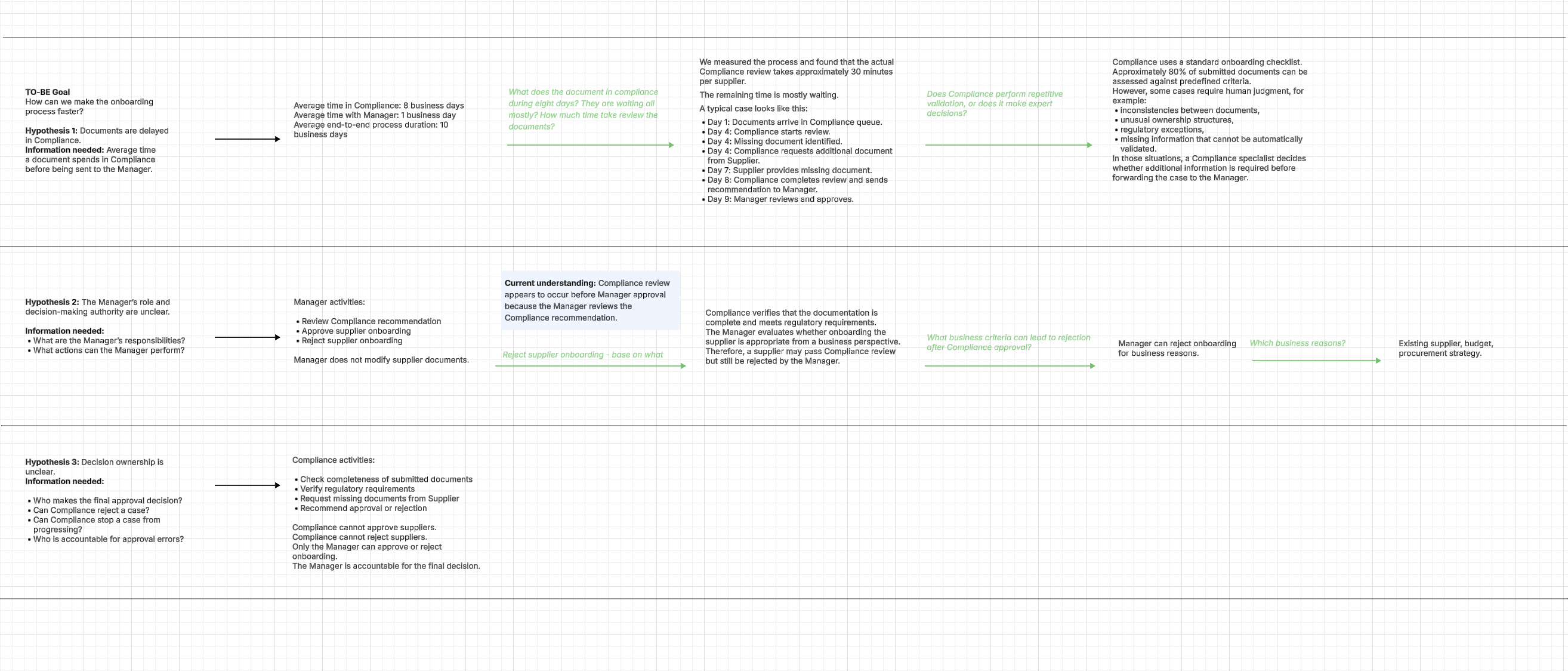
Starting from a minimal process description, the exercise uses structured questioning and process analysis to identify assumptions, uncover bottlenecks, and establish a factual baseline for future improvements.
How do you investigate a process when the problem is known, but the cause is not?
Stakeholder & Adoption Analysis
Stakeholder & Adoption Analysis: Enabling Senior Access to Digital Health Services


Roadmaps & Service Evolution
Understanding how services evolve over time through milestones, dependencies, adoption, and ecosystem growth.


Designing systems that remain usable under real human constraints.