
Interface Concepts
Selected interface concepts exploring user interaction, information hierarchy, accessibility, and digital service experiences.
This section includes product concepts, early-stage prototypes, and interface explorations created to communicate ideas, workflows, and user needs.
Magiczny
Ryś
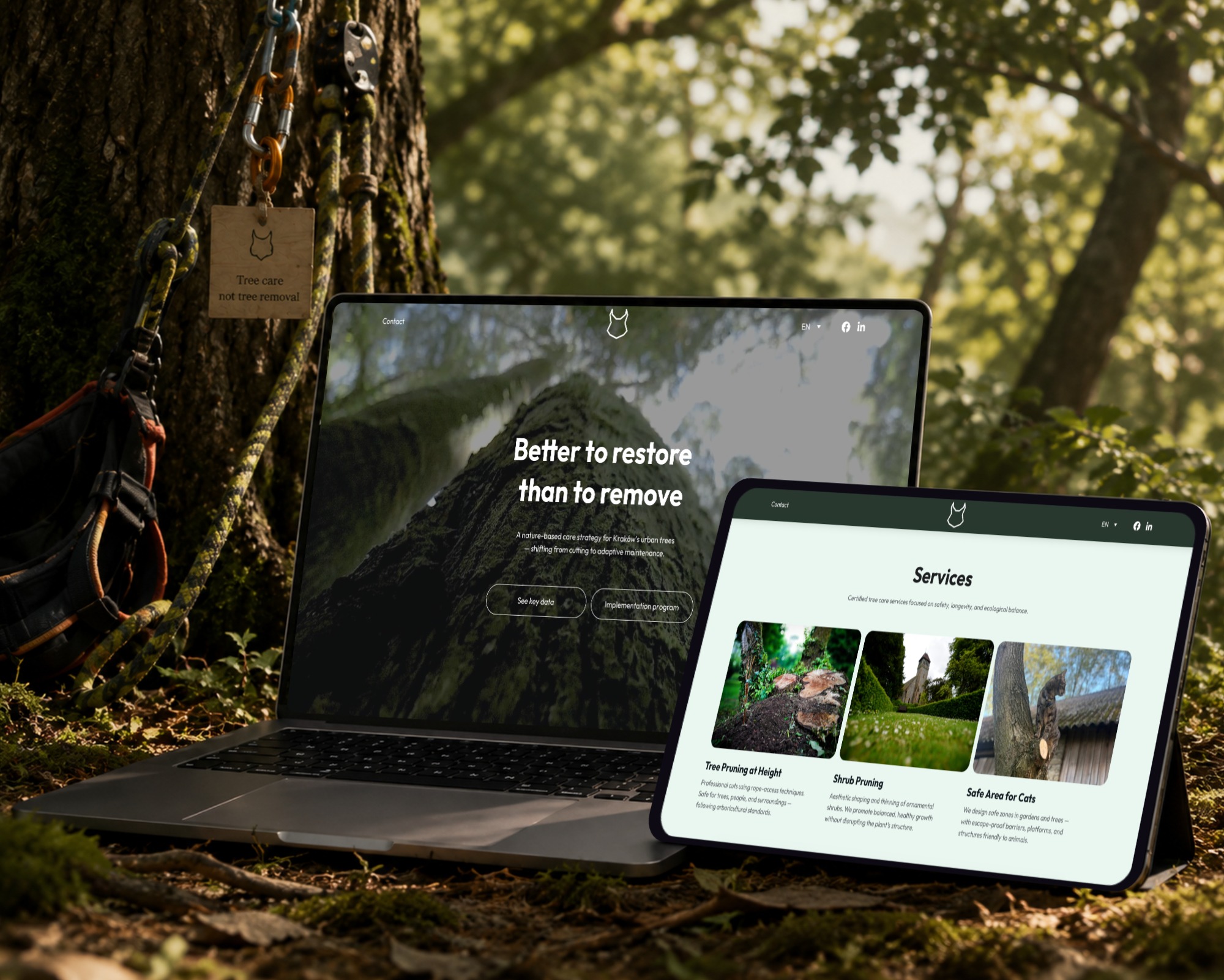
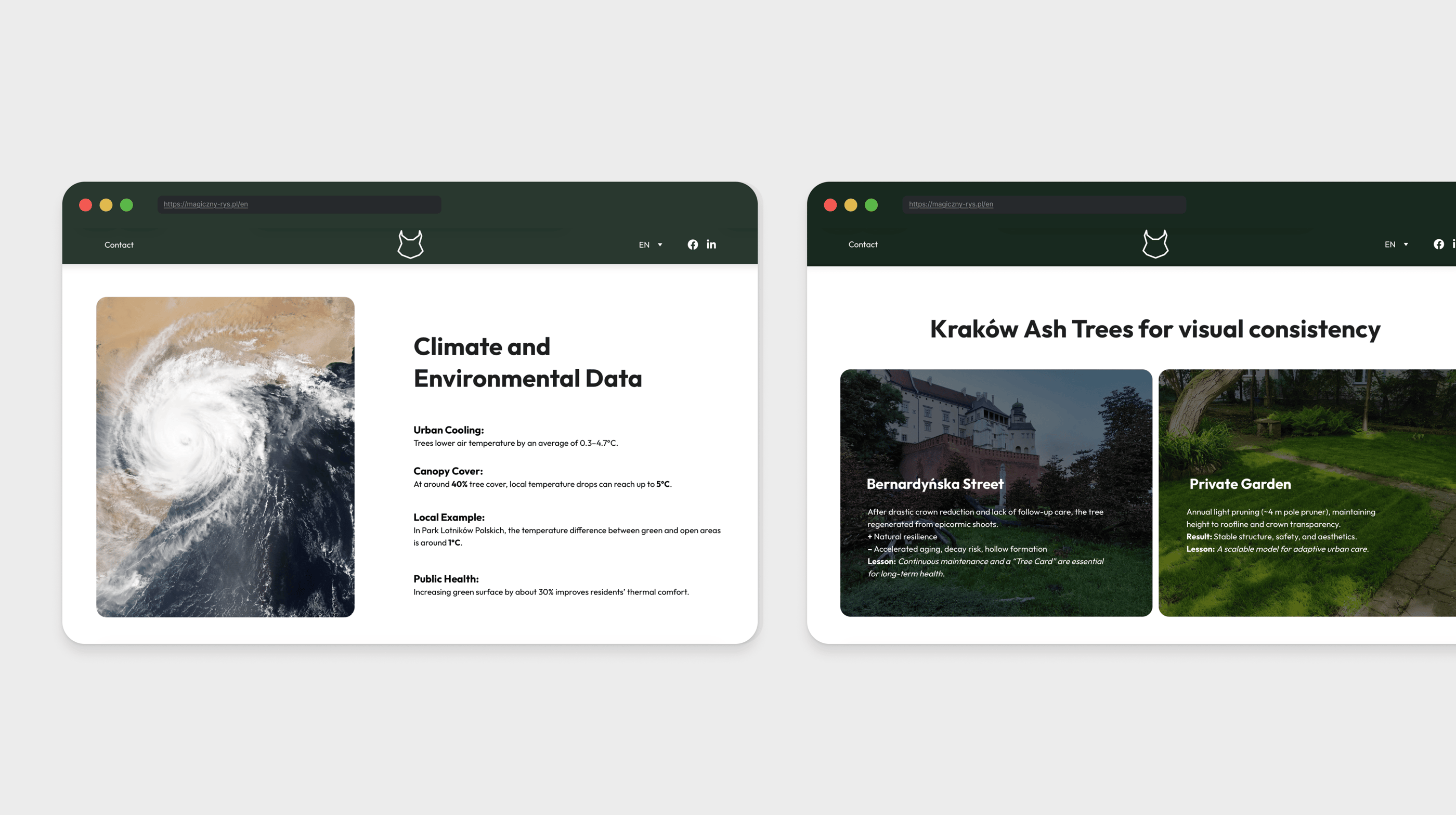
Designed the communication strategy and website for an arborist business focused on tree preservation and adaptive maintenance.
The project translated complex environmental, arboricultural, and public-policy topics into an accessible digital experience that supports education, stakeholder communication, and service adoption. The core challenge was shifting the narrative from reactive tree removal to long-term care and management.
Selected example
Magiczny Ryś – Tree Care & Green Infrastructure Initiative
NeuroDecode™
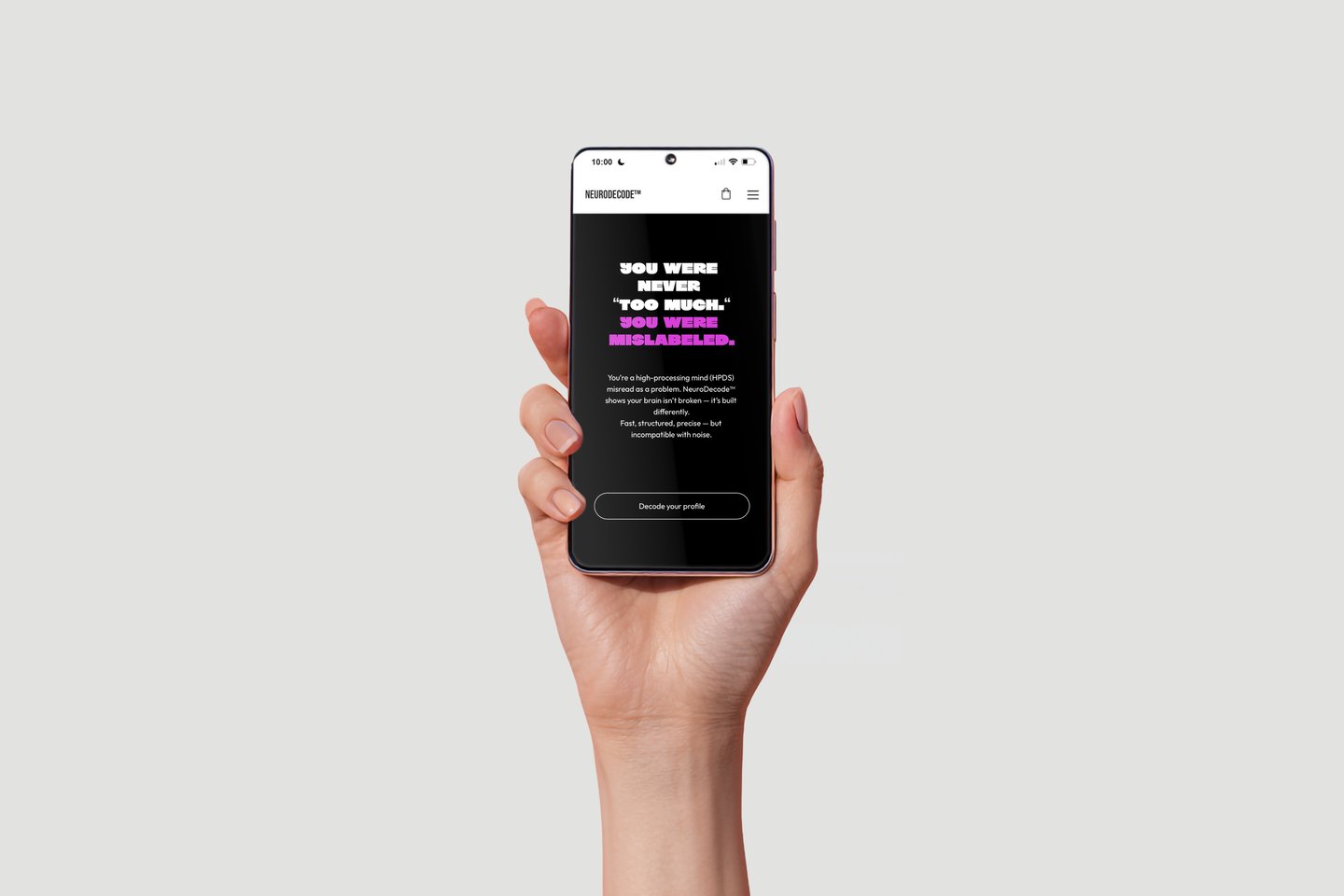
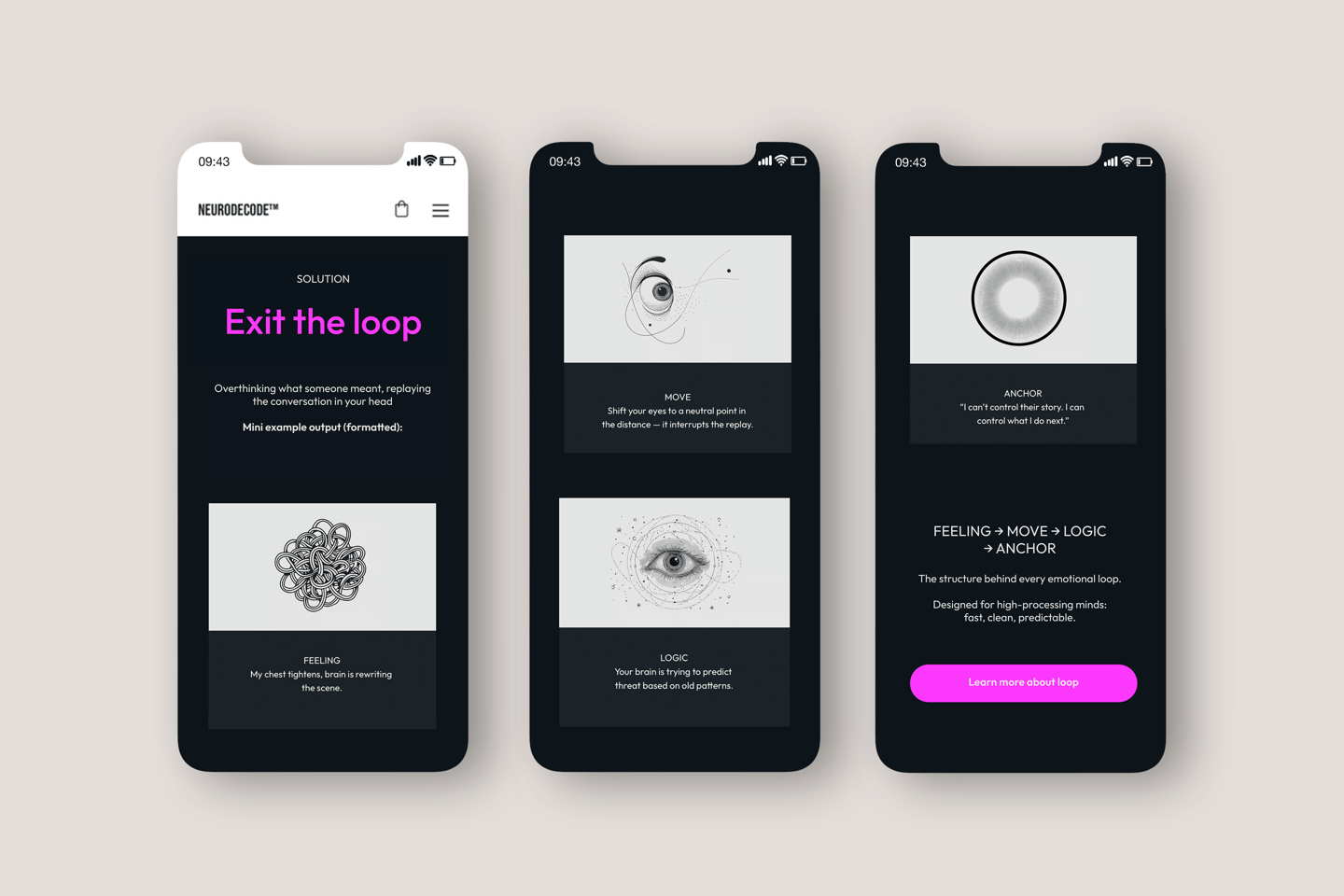
Designed a website experience introducing NeuroDecode™, a cognitive self-regulation framework inspired by Kazimierz Dąbrowski’s theory of positive disintegration.
The project explains how high-processing individuals can become trapped in recurring emotional and cognitive loops under stress, uncertainty, and overload. Through information architecture, behavioral design, and educational content, the website helps users identify these patterns, understand their mechanisms, and regain agency through structured reflection and decision-support tools.
Selected example
NeuroDecode™ – Cognitive Self-Regulation Framework


Halina™
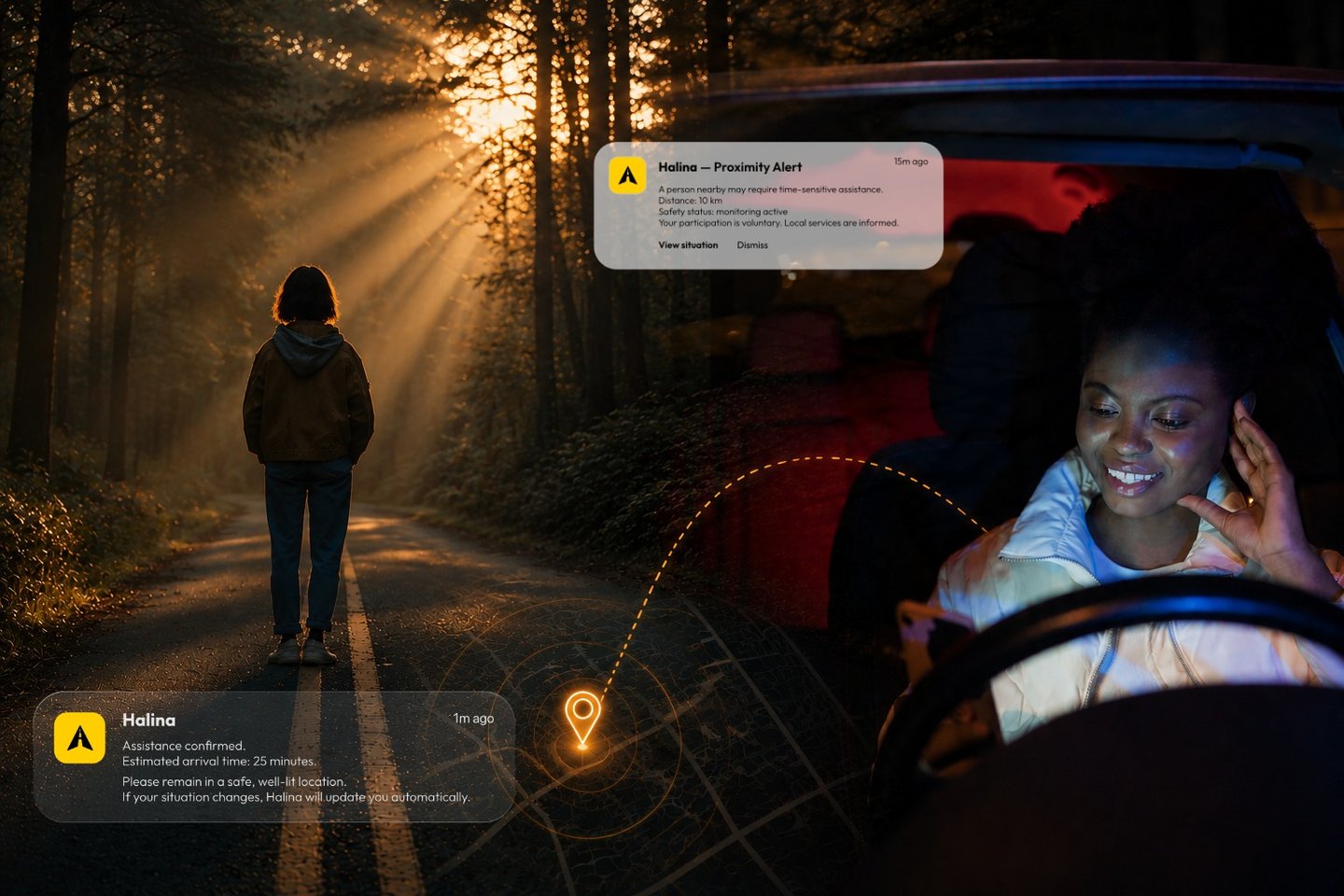
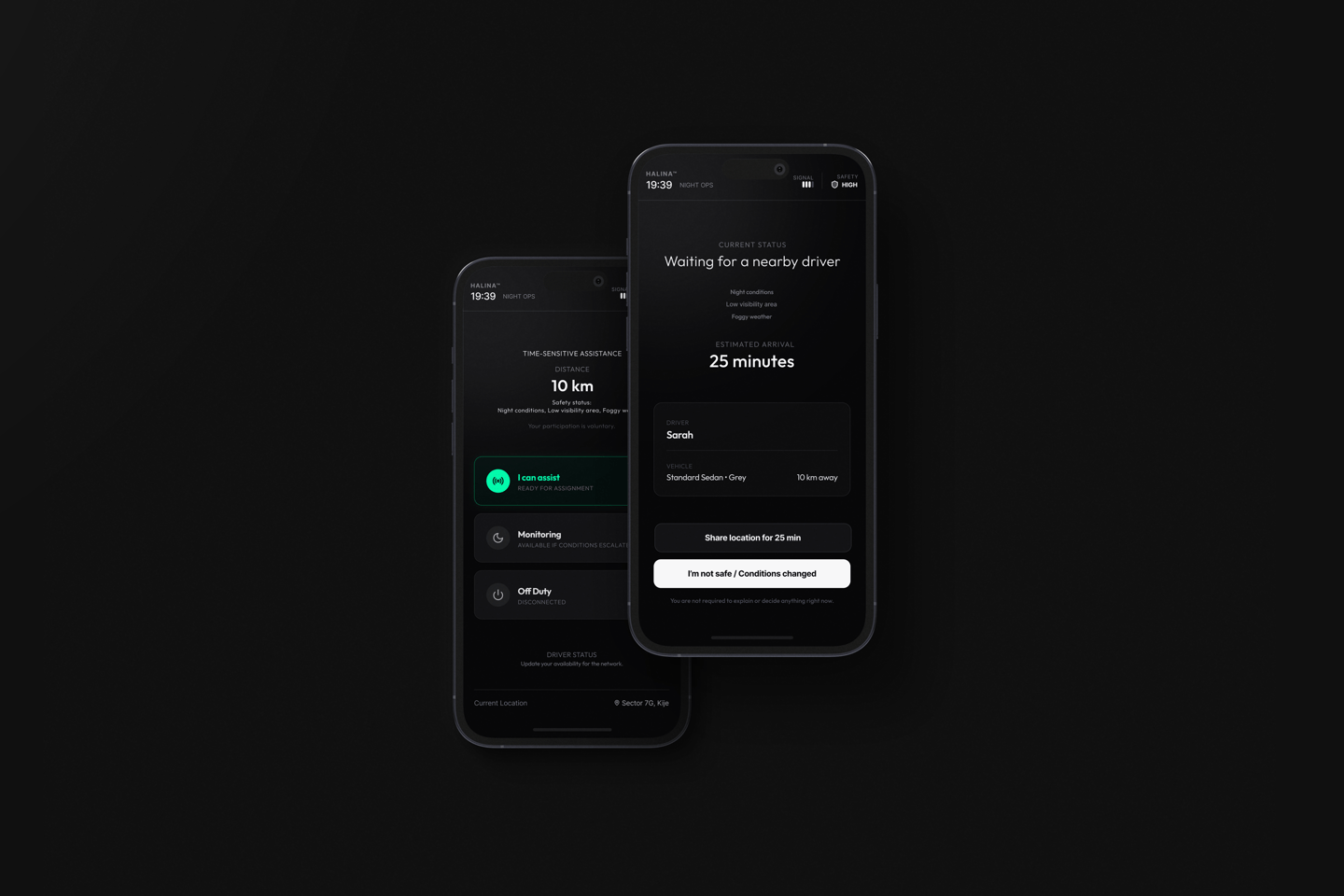
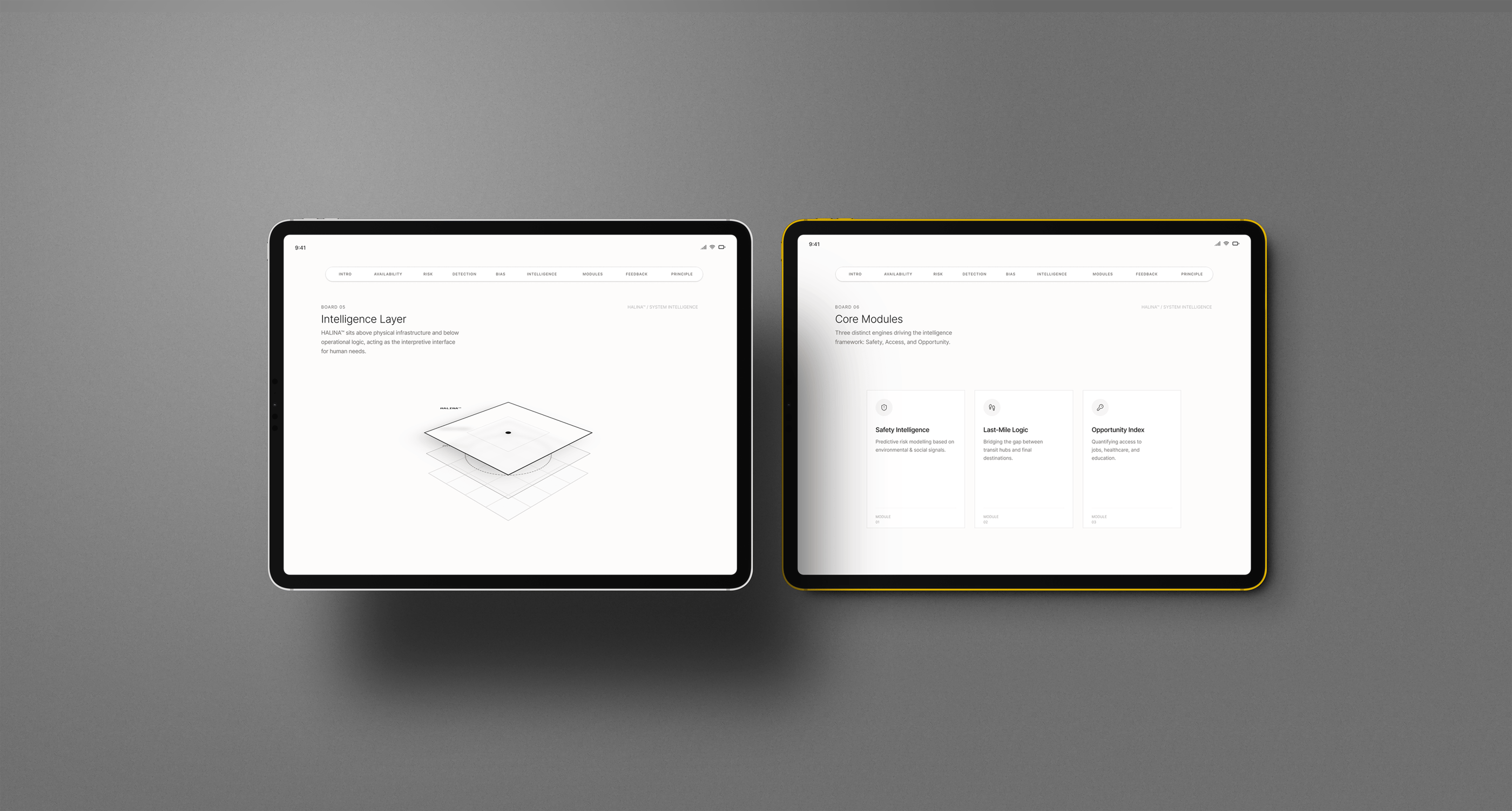
Speculative service-design and system-architecture case study exploring how status-based coordination systems could improve citizen safety in rural areas where transport and safety infrastructure is limited. The concept combines citizen-facing assistance with infrastructure intelligence, helping individuals access support while generating operational insights that reveal service gaps, accessibility challenges, and underserved areas for public-sector decision makers.
Key goals
Citizen Safety — status-based monitoring and assistance coordination in underserved rural areas.
Infrastructure Visibility — aggregated operational data supporting evidence-based planning and resource allocation.
Primary stakeholders
Rural citizens
Infrastructure planners
Transport authorities
Public-sector decision makers
Main artifact
System architecture and service-design case study describing a status-based rural safety coordination model.


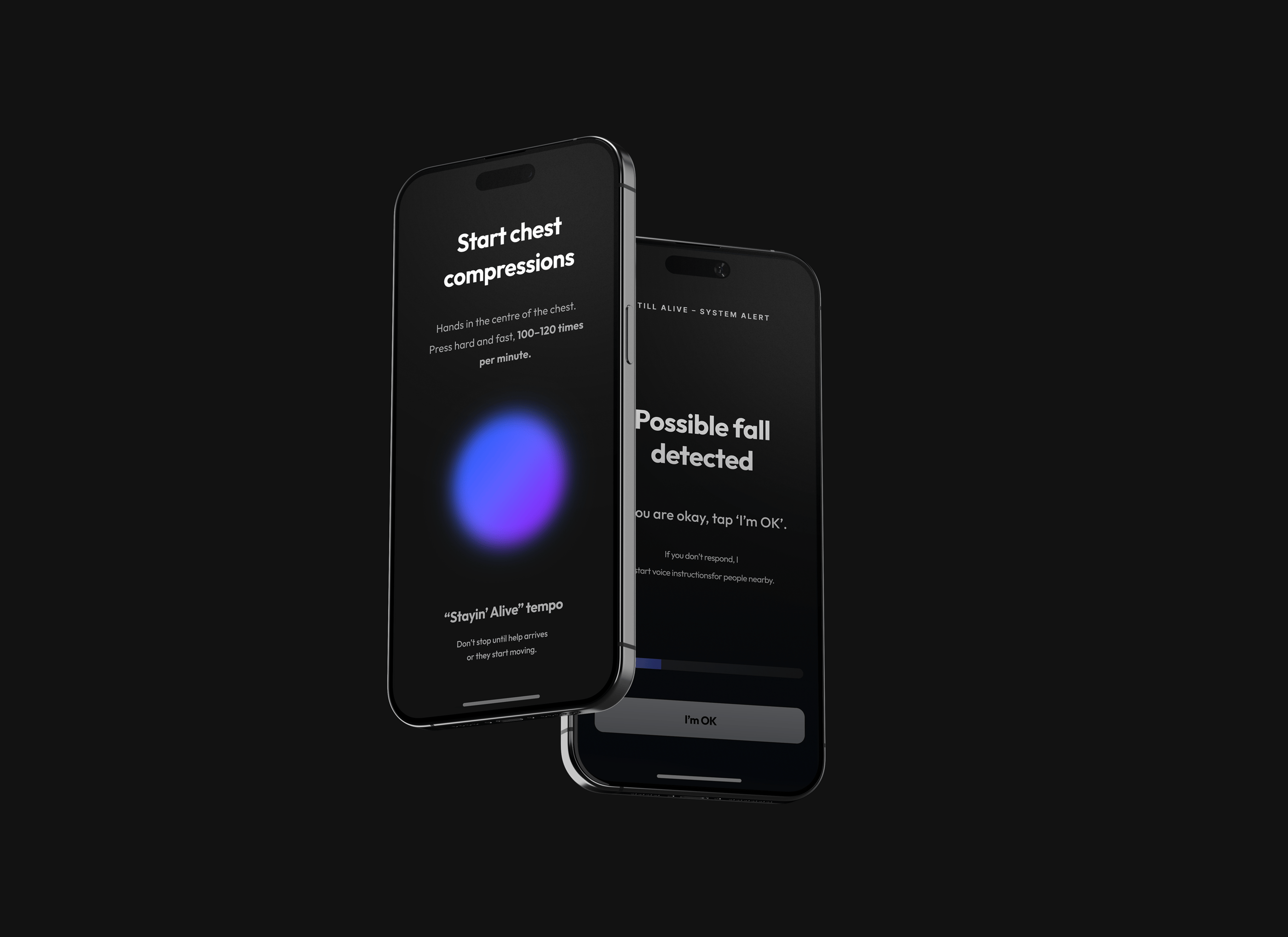
Still Alive™
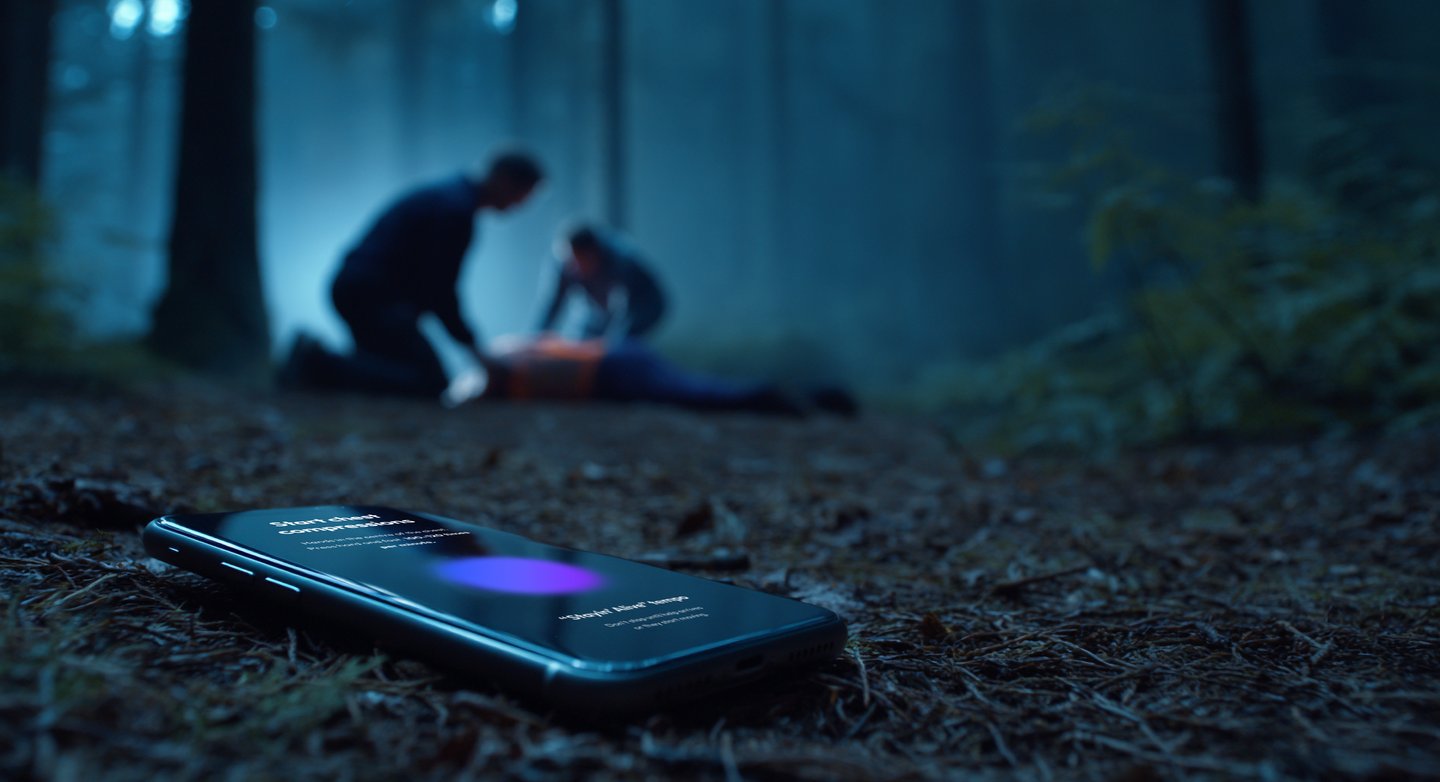
Designed a voice-first emergency interface focused on cognitive ergonomics under stress. The experience minimizes decision burden through progressive guidance, clear action prompts, and distraction-free interaction patterns during critical situations.
Key goal
Emergency Response Support — provide clear, voice-guided instructions during the first critical minutes of an incident.
Primary stakeholders
Citizens and bystanders
Individuals experiencing a medical emergency
Emergency response services
Main artifact
Conceptual emergency-response system combining automatic incident detection, voice-first guidance, and CPR support workflows.
Foundation
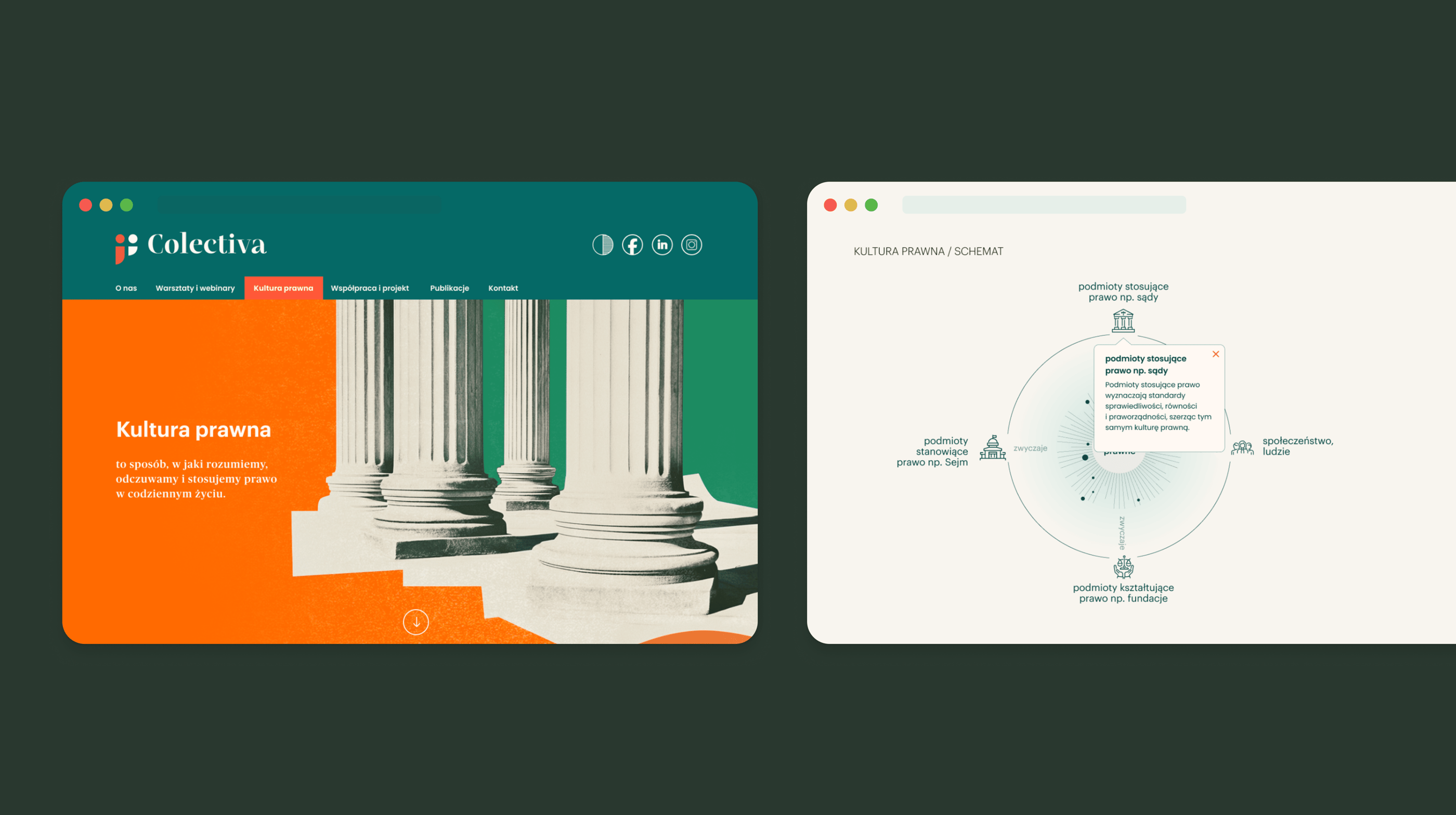
Colectiva
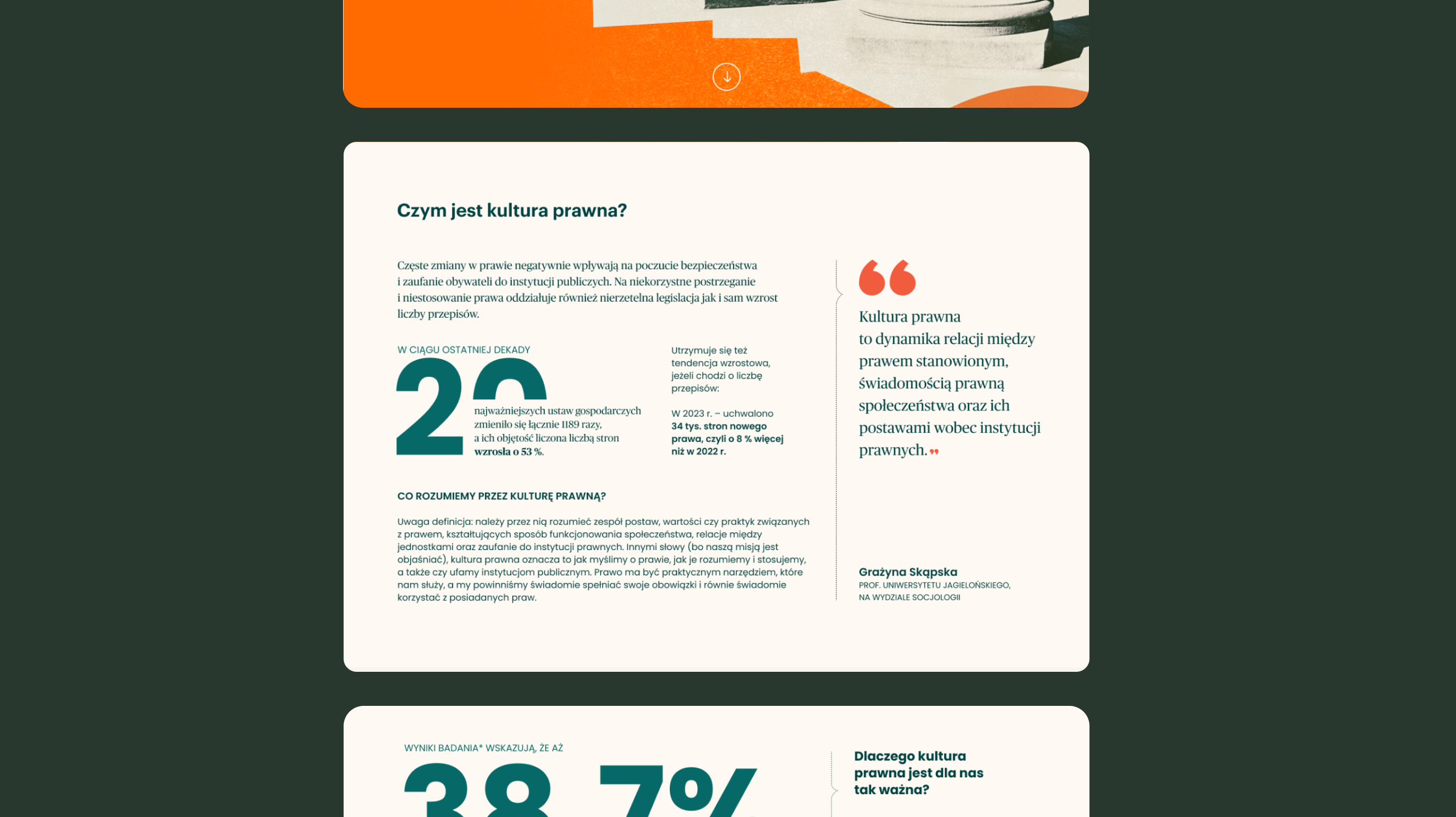
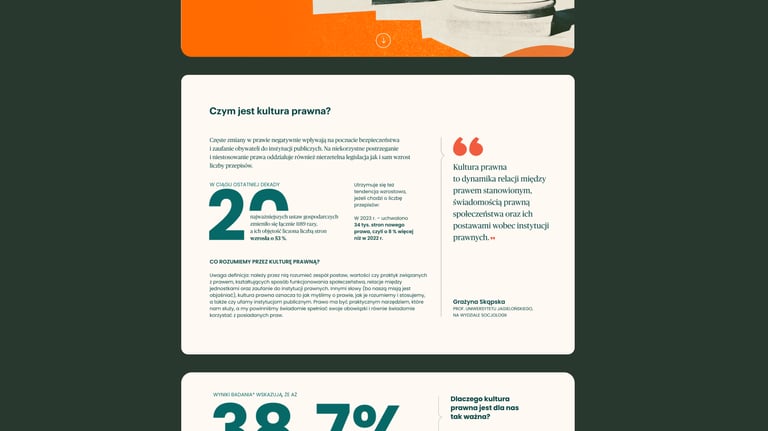
Designed a public-facing educational interface translating complex legal concepts into accessible, engaging content for non-specialist audiences. The experience combines information architecture, visual storytelling, and information design to reduce barriers to legal education, helping citizens understand key legal concepts and encouraging participation in workshops, events, and public-awareness initiatives.
Selected example
Colectiva – Legal Culture & Civic Education
Designing systems that remain usable under real human constraints.